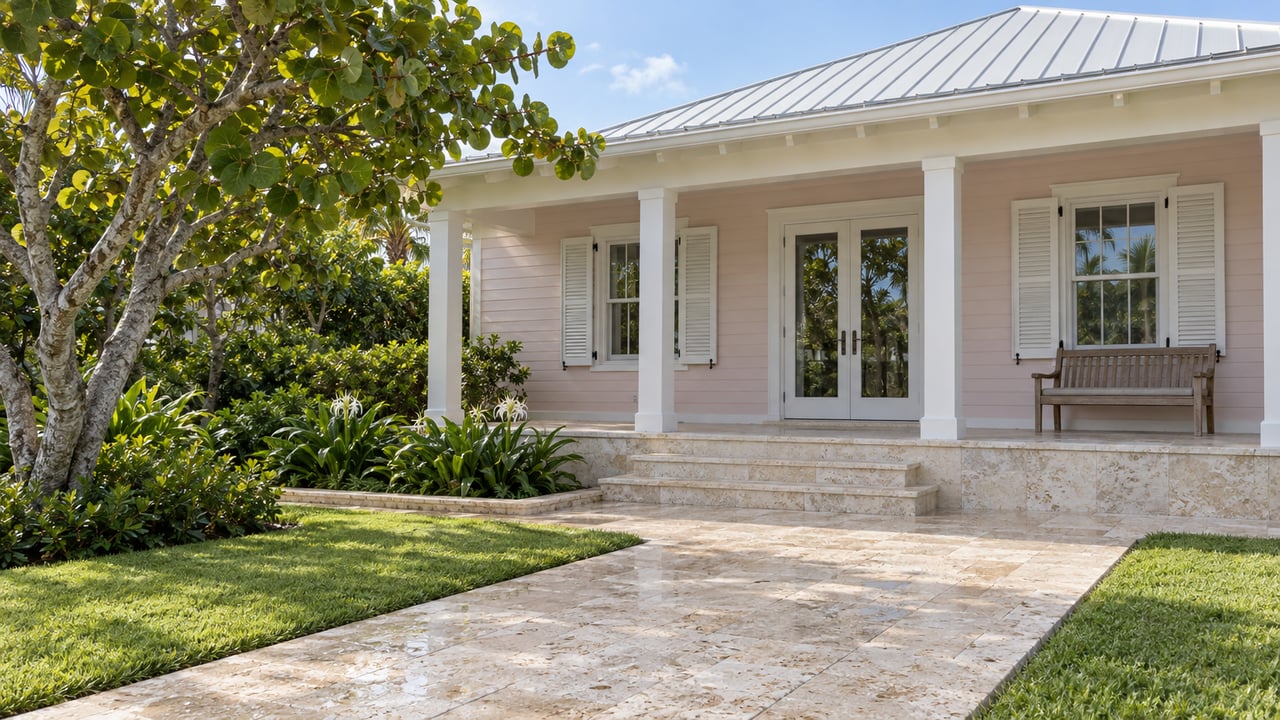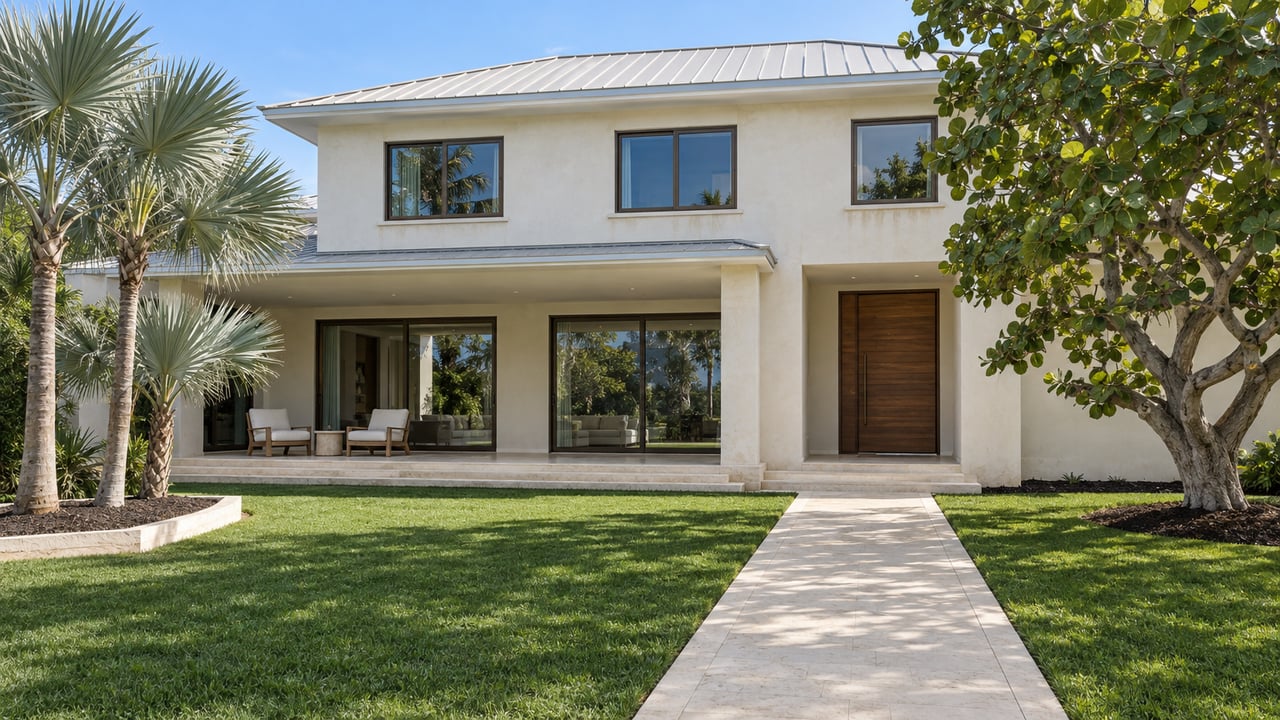
If you already keep a boat in South Florida, Bimini can feel less like a far-off dream and more like the next logical move. It is close enough for a practical crossing, built around life on the water, and filled with the kind of marina-adjacent ownership options that appeal to buyers who want ease, flexibility, and a true island reset. If you are wondering why so many Florida boat owners look at Bimini as a natural second-home market, this guide will walk you through the distance, boating setup, property options, and ownership details that matter most. Let’s dive in.
Bimini starts with proximity
One of Bimini’s biggest advantages is simple: it is remarkably close to South Florida. According to The Bahamas official island guide, Bimini sits about 50 miles from Florida’s east coast, and Bimini Bay describes the run from South Florida as about 48 nautical miles and roughly 2.5 hours by boat.
That short crossing changes the way many buyers think about ownership. Instead of planning around a long-haul international trip, you can picture a more spontaneous pattern of use, with quick weekend runs, seasonal stays, and easy returns to a familiar marina lifestyle.
Bimini fits a boater’s lifestyle
Bimini is especially appealing if you want your time here to center on the water. The official Bahamas tourism pages highlight the island’s strong reputation for boating, fishing, diving, and beaches, which supports what many buyers are looking for in a second-home destination: a dock-and-go base that feels easy to use and hard to outgrow.
The island is split between North and South Bimini. As outlined on The Bahamas island page for Bimini, North Bimini is the main tourism hub with most accommodations, while South Bimini offers a quieter setting. For you as a buyer, that creates two distinct lifestyle rhythms within one small market.
Marina access is a major advantage
For Florida boat owners, Bimini works because the island is not just scenic. It is also set up to receive vessels efficiently. The official Bahamas boating regulations page lists a concentrated group of Bimini and Cat Cay ports of entry, including Big Game Marina, Bimini Public Dock, Bimini Sands Marina, Blue Waters Marina, Brown’s Marina, Resorts World Marina, Sea Crest Marina, South Bimini Airport, and Weech’s Dock.
That density matters. On a small island, multiple designated entry points and marina options make arrivals more practical and support the kind of repeat-use ownership that boaters typically want.
Key marina communities to know
Bimini’s marina inventory is one reason the island stands out. Different marinas support different vessel sizes, service needs, and ownership styles, which is helpful if you are trying to match a property purchase with how you actually boat.
According to Bimini Bay’s marina information, its complex includes more than 230 slips across Fisherman’s Village Marina and the Mega-Yacht Marina, along with grocery access, bait and dive services, internet, showers, dockmaster service, and security. That makes it one of the strongest examples of a marina-centered ownership environment in The Bahamas.
Bimini Big Game Club is also listed among Bimini’s official entry options, and the research report notes its 75-slip full-service marina with on-site Customs and Immigration. Bimini Cove Resort describes a protected deep-water marina with 140 slips, capacity for vessels up to 85 feet, about 8 feet of depth at low tide, plus fuel, provisions, Wi-Fi, laundry, showers, and Customs and Immigration. Brown’s Marina, as cited in the research, notes deep-water access, slips up to 150 feet, and close access to customs, immigration, the ferry, and the airport water taxi.
Why ownership feels more practical here
For many boat owners, the appeal of Bimini is not just getting there. It is what ownership looks like once you arrive. In this market, the strongest fit is often a residence that supports easy arrivals, easy departures, and less day-to-day upkeep.
The research points to a housing mix that leans toward resort-style and marina-adjacent property rather than large suburban-style neighborhoods. Bimini Cove Resort highlights one-, two-, and three-bedroom condos with air conditioning and kitchens, which reflects the kind of turnkey product many second-home buyers want.
The property types many boaters prefer
If you are coming from South Florida with a boat, the right property is often not the biggest one. It is the one that makes your trips smoother.
In Bimini, that usually means focusing on:
- Marina-adjacent condos
- Townhouse-style residences
- Lock-and-leave second homes
- Homes where dockage access is part of the lifestyle equation
- Occasional land opportunities for buyers with a longer timeline
The practical takeaway from the research is clear. Buyers here often prioritize dockage, slip rights, HOA rules, utility setup, and rental flexibility over extra square footage.
Boating logistics are straightforward, but important
A smooth crossing starts with knowing the rules before you leave Florida. The official Bahamas boating regulations explain that foreign pleasure vessels need a cruising permit, customs clearance, immigration cards for each person, and vessel registration documents.
The same guidance states that you must clear at the nearest designated port of entry, fly the yellow quarantine flag, and be prepared for Customs and Immigration to board. If you plan to use Bimini regularly, understanding this process early helps you avoid surprises and think more clearly about the real cost and convenience of ownership.
Cruising permit costs to budget for
If you are comparing Bimini with other boating destinations, permit structure matters. According to the official fee schedule on the Bahamas boating regulations page, a 12-month temporary cruising permit costs:
- $500 for vessels up to 50 feet
- $1,000 for vessels over 50 feet and under 100 feet
- $3,000 for vessels over 100 feet
That permit allows two free re-entries within the validity period. The FDCC option allows unlimited visits for up to two years at $1,500, $2,500, or $8,000 depending on vessel size. The permit fee also covers departure tax for up to three people, with each additional person costing $30.
Foreign buyers can purchase, but details matter
If you are a U.S. buyer considering property in Bimini, the ownership framework is relatively open, but you should not assume every purchase follows the same path. The International Persons Landholding Act reference in the Bahamas laws database states that a non-Bahamian buying a condominium or property for use as an owner-occupied home does not need a permit, while other types of acquisitions may require one.
That distinction is important. Before you fall in love with a specific unit, home, or parcel, you will want to confirm how the property is classified and what the purchase structure requires.
Ongoing costs deserve a closer look
Owning in Bimini is about more than the purchase price. You should also account for carrying costs tied to both the property and the boat.
The Department of Inland Revenue FAQ on real property tax says real property tax is due by March 31 each year, with a 5% surcharge if not paid by December 31. The FAQ also distinguishes between owner-occupied, residential, commercial, and vacant land categories, and notes separate treatment for foreign-owned rental property.
That means your tax picture can shift based on how you plan to use the property. A lock-and-leave second home, a rental-capable unit, and a property held for future use may not be treated the same way.
Watch for policy updates
For foreign homeowners, owner-occupied tax relief is an area to verify carefully. In a May 28, 2025 statement from the Office of the Prime Minister, the government said foreign homeowners could currently apply for owner-occupied relief by affirmation, while a proposed amendment would require a residence-day declaration, with more than 90 days qualifying for partial exemption and more than 183 days for full exemption.
Because the statement described this as a proposed amendment, not an automatically finalized rule, it is wise to confirm the current treatment during your due diligence. That kind of detail can shape your annual carrying costs in a meaningful way.
Why Bimini makes sense as a second-home market
When you put the pieces together, the case for Bimini becomes pretty compelling. You have a short crossing from Florida, a marine-focused island identity, multiple official points of entry, and a property mix that aligns well with part-time use.
Just as important, Bimini fits the mindset many boat owners already have. You are not necessarily looking for a full-time relocation. You may be looking for a place that feels international yet easy, lifestyle-driven yet practical, and built around quick access to the water.
That is where local guidance becomes valuable. If you are weighing marina-adjacent condos, townhouse-style options, or other boating-oriented opportunities in Bimini and across The Bahamas, The Agency Bahamas can help you evaluate the ownership structure, lifestyle fit, and property strategy with a boutique, high-service approach.
FAQs
How far is Bimini from Florida by boat?
- According to The Bahamas official Bimini page, Bimini is about 50 miles from Florida’s east coast, and the crossing from South Florida is commonly described as about 48 nautical miles or roughly 2.5 hours by boat.
Where can a boat clear customs in Bimini?
- The official Bahamas boating regulations page lists designated Bimini and Cat Cay entry points including Big Game Marina, Bimini Public Dock, Bimini Sands Marina, Blue Waters Marina, Brown’s Marina, Resorts World Marina, Sea Crest Marina, South Bimini Airport, and Weech’s Dock.
What types of homes make sense for boat owners in Bimini?
- Based on the research, boat owners often focus on marina-adjacent condos, townhouse-style residences, lock-and-leave properties, and other homes where dockage access, HOA rules, and ease of use matter more than overall size.
What boating documents are required for arrival in Bimini?
- The official Bahamas boating guidance says foreign pleasure vessels need a cruising permit, customs clearance, immigration cards for each person, and vessel registration documents, and must clear at the nearest designated port of entry.
What ownership costs should buyers in Bimini expect after closing?
- Beyond the purchase itself, buyers should plan for real property tax, marina or HOA-related charges where applicable, transfer and stamp-related processing, and cruising-permit costs associated with using the boat in The Bahamas.
Can a foreign buyer purchase property in Bimini?
- Yes, but the process depends on the type of property being purchased, so buyers should confirm the classification and legal requirements early in the transaction.