If you are thinking about buying in Briland Club, the biggest question is not just Which home do you want? It is also What exactly comes with it? In a private marina community, the lifestyle can look seamless from the outside, but the ownership structure often has multiple layers. If you understand those layers early, you can make a smarter decision, protect your resale flexibility, and buy with more confidence. Let’s dive in.
Why Briland Club Gets Attention
Briland Club is positioned as a residential resort community in Dunmore Town, Harbour Island, not a simple home-only neighborhood. Its public materials separate residences, marina access, club amenities, dining, and stays into different categories, which tells you right away that this is a more complex ownership model than a standard subdivision.
That matters because Harbour Island is a market where privacy, marina access, and service depth can shape buyer demand. Official Bahamas tourism materials note that Harbour Island is accessible by boat or ferry from mainland Eleuthera, and the island is widely known for Pink Sand Beach and the local nickname Briland. In a destination like this, boating convenience and private amenity access can be a major part of the ownership appeal.
What Briland Club Appears to Offer
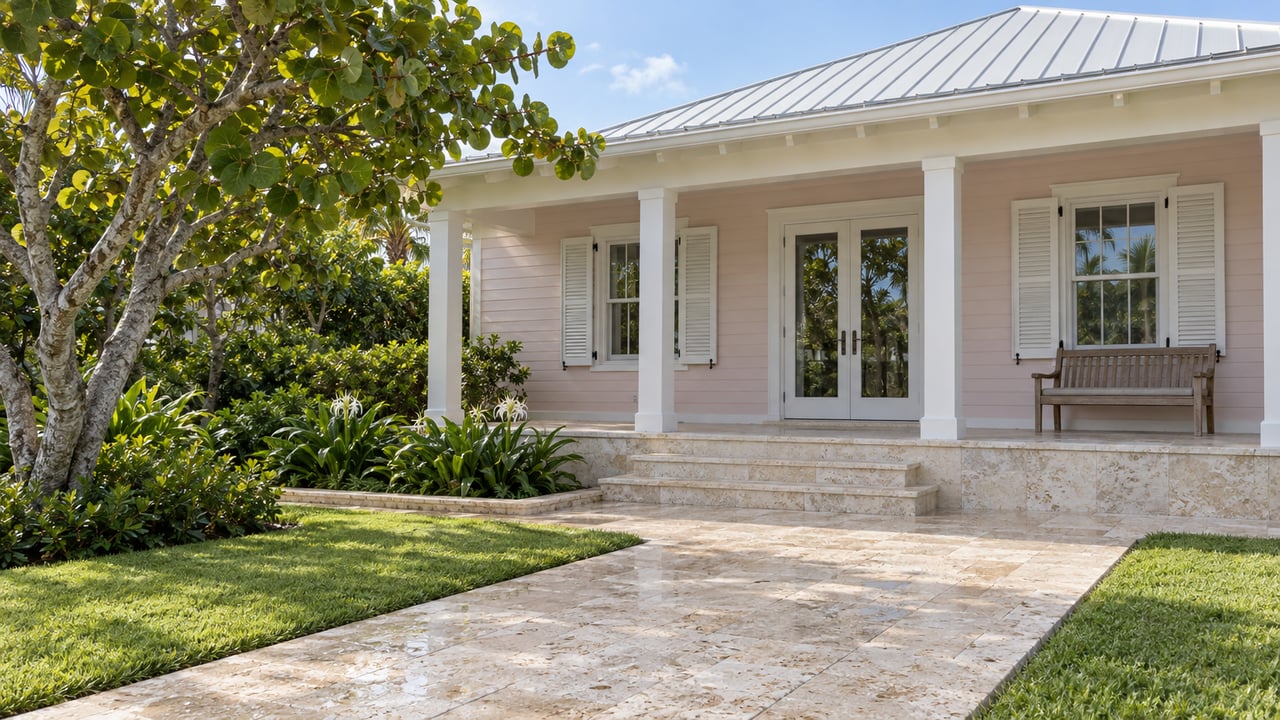
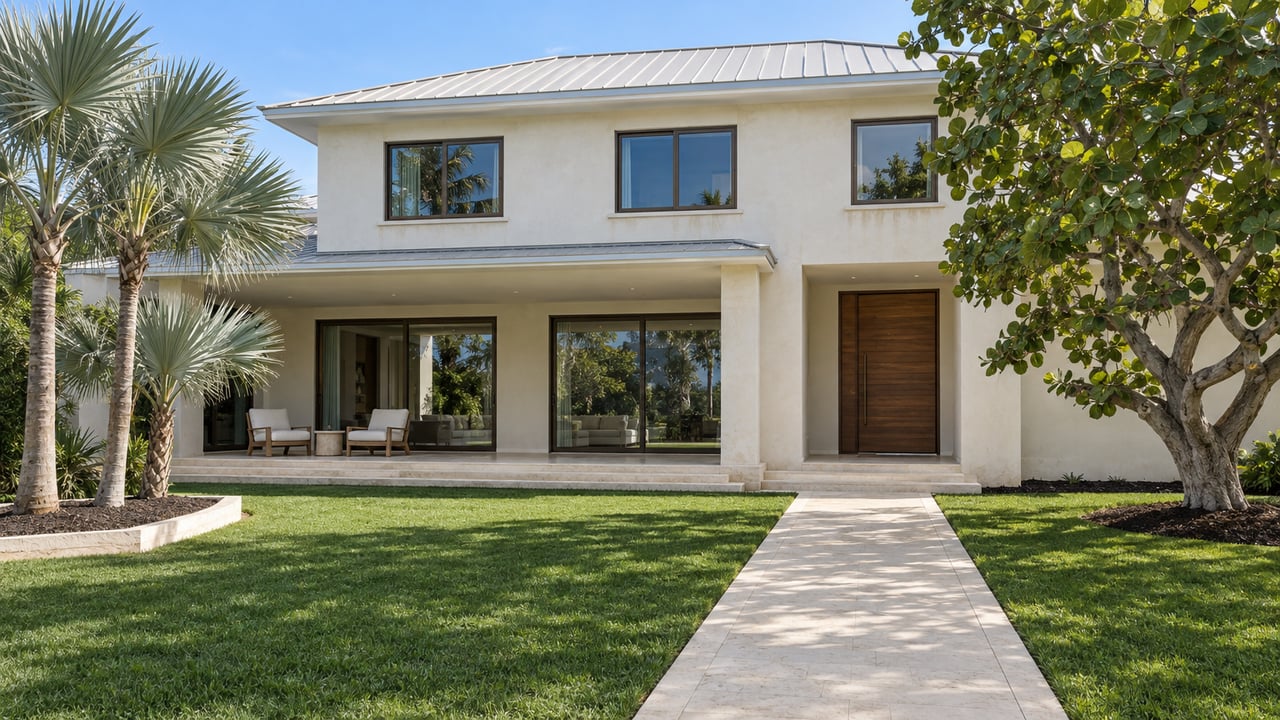
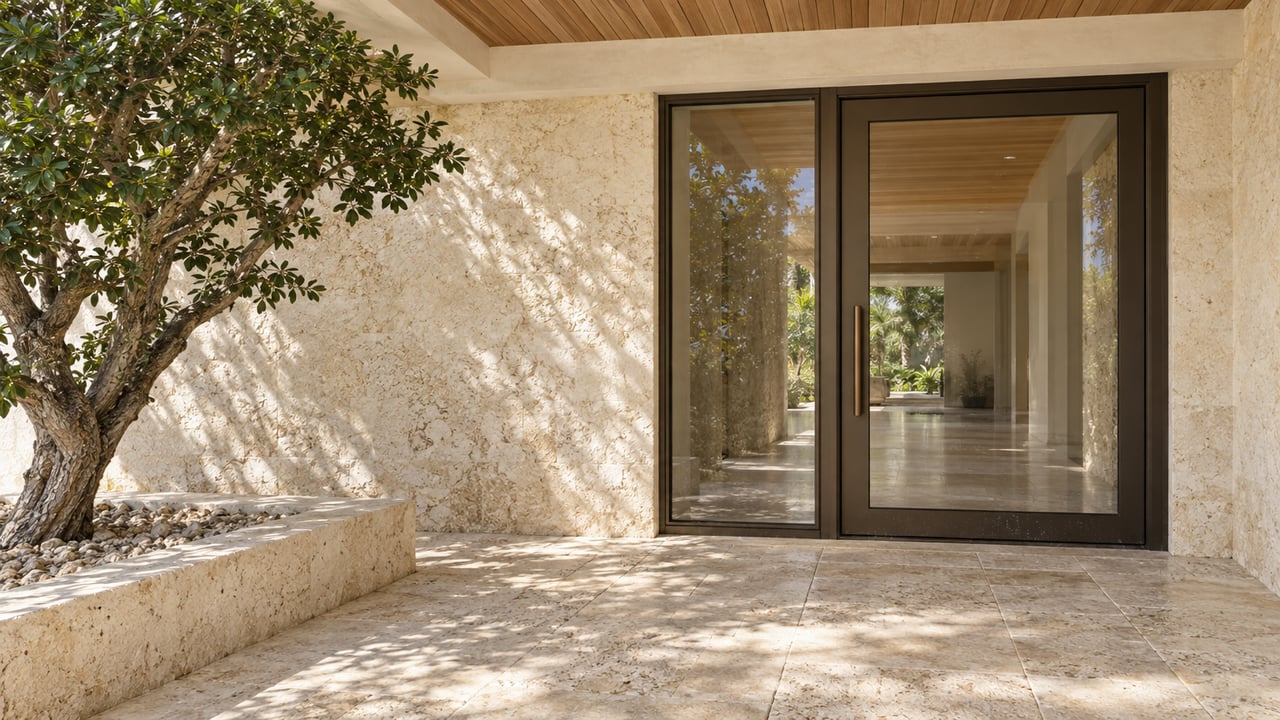
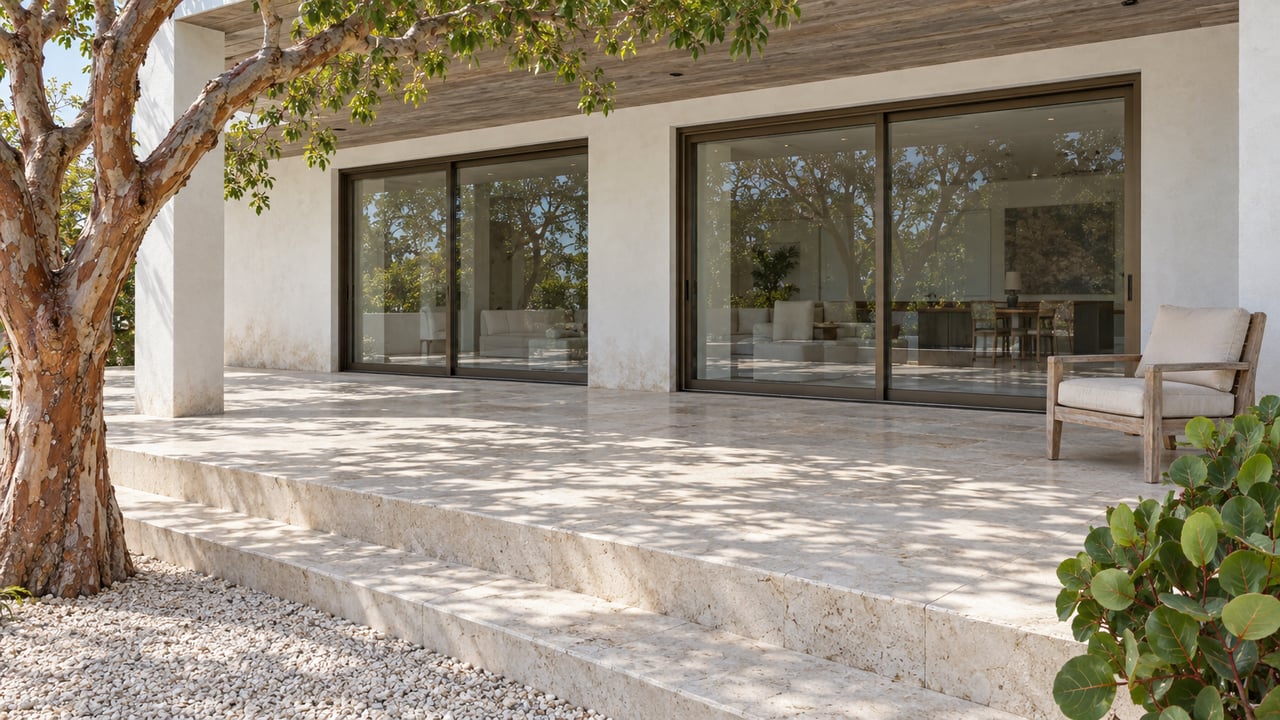
Based on its public-facing materials, Briland Club offers turnkey cottages, villas, and estate homes. The residences are described with features such as furnished interiors, smart-home systems, owner storage, golf-cart parking, and EV charging.
The project also has a hospitality component. Coral Cottages are presented as waterfront vacation rentals, and the residences page references a rental management program. That suggests the community is designed as a resort-residential product, where ownership and rental use may intersect.
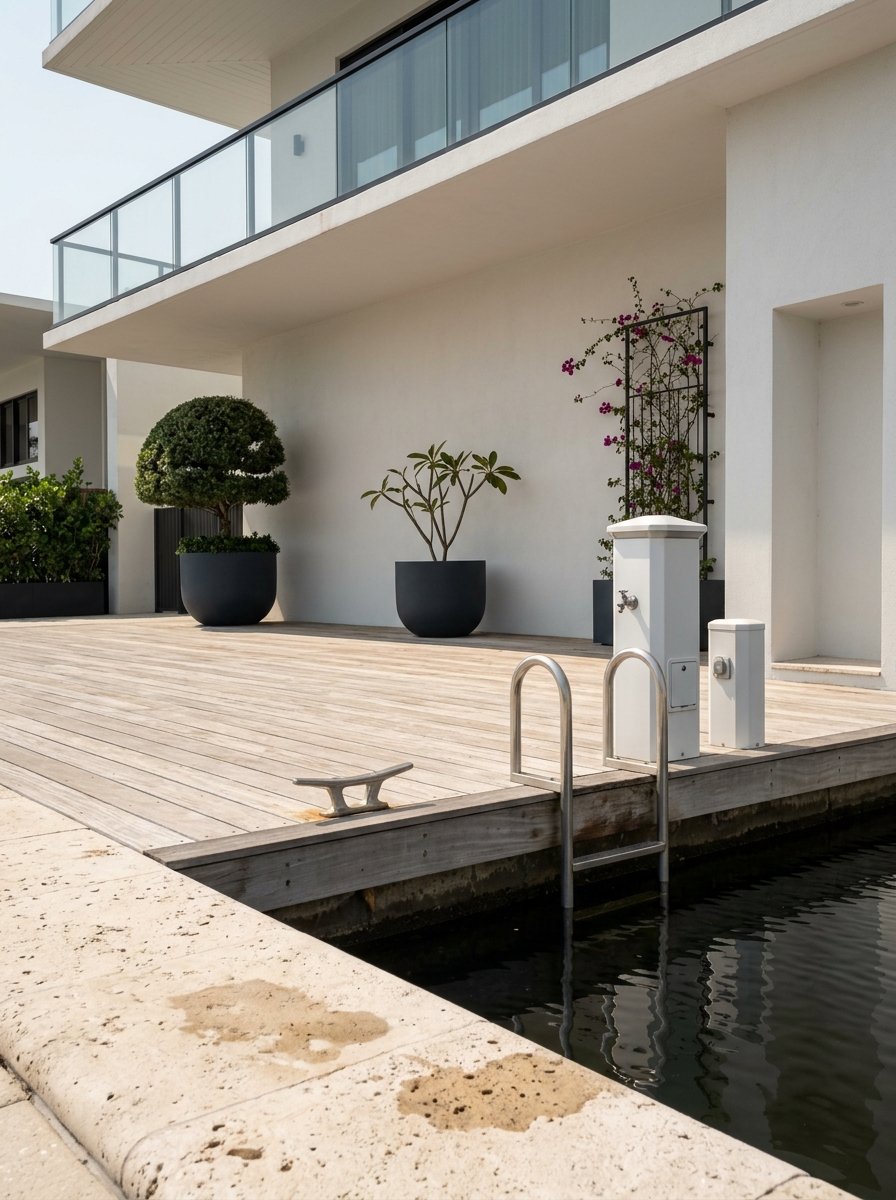
The marina is one of the clearest differentiators. Briland Club says its marina includes 34 berths, accommodations for yachts up to 300 feet, hurricane-rated floating docks, 400 Amp / 480 Volt shore power, in-slip fueling, waste disposal, fiber internet, and 24-hour security.
The club side adds another layer. Public materials describe members-only dining, lounge spaces, wellness amenities, a golf simulator, pool, sport courts, and access to the restored Haunted House clubhouse, with some dining and crew amenities scheduled for 2027.
How Private Marina Communities Usually Work
A marina community like this often works best as a three-part model. First, there is the residence itself. Second, there may be a marina or slip interest. Third, there may be a club membership or access interest.
For Briland Club, that structure is not stated as a legal definition on the public site, but it is a practical reading of how the project is presented. The residences, marina, and club are shown on separate inquiry paths, which is a strong signal that buyers should treat them as distinct components until proven otherwise.
In plain terms, you should not assume that buying a home automatically gives you the same rights to a boat slip or full club privileges. Those rights may be bundled, separate, limited, optional, or subject to their own terms.
Residence, Slip, and Membership Are Not the Same
This is the most important takeaway for buyers. In private marina communities, the home purchase is only one part of the decision.
Briland Club’s marina materials specifically refer to the purchase of a dedicated slip and a slip-share rental program for unused slip time. Separately, the club materials describe member privileges, preferred seating, guest access, and amenity use. That separation suggests you need to verify whether your purchase includes all three elements or only one.
Before you move forward, ask for a clear written explanation of:
- The exact residence interest being sold
- Whether club membership is automatic, optional, or separate
- Whether slip rights are deeded, licensed, shared, or otherwise structured
- Whether the slip-share program is optional or required
- Whether rental participation is optional for your residence
These are not minor details. They affect your use, your carrying costs, and your resale path.
Why Phasing Matters in Briland Club
Briland Club is presented as an under-development, high-end enclave with a phased build-out. Its public materials also state that plans and amenities can change without notice.
That does not mean something is wrong. It simply means you should separate what is open today from what is planned for later. In a lifestyle-driven purchase, that distinction matters because future amenities may be part of the story, but only current amenities affect your immediate ownership experience.
Ask specifically which amenities are operating now and which are still scheduled. For Briland Club, some dining and crew amenities are identified as coming in 2027, so your buying decision should be based on the current reality as much as the future vision.
What Buyers Should Confirm Before Deposit
If you are considering a purchase in Briland Club, a focused due-diligence process is essential. This is especially true in a community where home ownership, marina rights, and club access may operate on separate tracks.
Here is a practical checklist to work through before deposit:
- What exact interest is being conveyed
- Whether the interest is fee simple, condominium-style, leasehold, or another form
- What recurring fees apply, including club dues, marina dues, management fees, maintenance, insurance, and taxes
- Which amenities are open now versus planned later
- Whether residence rental participation is available and optional
- Whether slip-share participation is available and optional
- What transfer forms, registrations, or approvals may apply on resale
- Which Bahamian attorney, broker, marina manager, insurance advisor, and tax professional should review the transaction
This is where experienced local guidance can save you time and reduce surprises. A polished brochure can show the vision, but your documents define the deal.
Bahamas Ownership Rules to Know
For non-Bahamian buyers, the International Persons Landholding Act is a key part of the purchase framework. Under that law, a non-Bahamian purchasing a condominium or a property for use as an owner-occupied home registers the acquisition with the Investments Board and receives a certificate.
The law also states that acquisition documents must be recorded in the Registrar General’s Department. It further provides that non-Bahamians pay the same stamp duty as Bahamians.
There is another important step tied to future flexibility. Central Bank guidance says non-resident real-property investors must register for Approved Investment Status to allow repatriation of sale proceeds and rental income upon application and supporting evidence.
For a buyer in a mixed-use, marina-linked setting, this becomes especially relevant. Your exit strategy is not only about finding a future buyer. It is also about how your ownership interest is documented and whether the structure supports a smooth resale and repatriation path.
Resale Value Is About More Than the View
In Harbour Island, lifestyle matters, but documentation matters too. A beautiful residence with marina access can be highly appealing, yet resale strength depends on how clearly the rights are defined and how transferable they are.
For Briland Club, that means future buyers will likely look closely at the same questions you should ask now. They will want to understand whether the residence, slip, and club rights transfer together, separately, or under certain conditions.
This is why resale value in a private marina community is rarely just about architecture or location. It is also about clarity, usability, and the ease of stepping into the ownership structure.
How Briland Club Fits Harbour Island
Harbour Island has a limited marina comparison set, and each option serves a different kind of buyer. A local tourism guide highlights Briland Club Marina, Valentines Marina, and Romora Bay Marina as three main choices on the island, with Briland positioned around privacy and megayacht capability.
That makes Briland Club distinct for buyers who want a residential resort setting tied closely to boating infrastructure. But the comparison should go beyond lifestyle language. You should also compare berth size, privacy, proximity to Dunmore Town, whether marina access is tied to residences or membership, and how much of the amenity package is operating today.
In other words, the right question is not simply whether Briland Club is appealing. It is whether its specific ownership structure fits the way you plan to live, dock, entertain, rent, or eventually resell.
A Smart Way to Evaluate the Opportunity
If you love the idea of a polished, boating-centered lifestyle in Harbour Island, Briland Club can be compelling. The combination of turnkey residences, club amenities, and a high-spec marina speaks to buyers who want convenience, privacy, and a strong arrival experience.
Still, the smartest buyers stay disciplined. They confirm exactly what they are buying, what is open now, what costs recur, and how the ownership interest can later be transferred.
That is the real key to buying well in a private marina community. The lifestyle may bring you in, but the structure behind the lifestyle is what protects your investment.
If you are exploring marina communities, resort-connected residences, or Harbour Island opportunities, working with a team that understands both the lifestyle side and the transaction details can make the process far more straightforward. To discuss Briland Club, Harbour Island, or other boating-oriented properties in The Bahamas, connect with The Agency Bahamas.
FAQs
What should you ask before buying in Briland Club?
- Ask what exact interest is being sold, whether club membership is separate, how slip rights are structured, what recurring fees apply, which amenities are open now, and what resale or registration steps may be required.
Does buying a residence in Briland Club automatically include marina access?
- Public materials separate residences, marina access, and club privileges, so you should not assume they are automatically bundled. Ask for written confirmation of what is included with your specific purchase.
Can a Briland Club owner rent out a residence or boat slip?
- Public materials reference a rental management program for residences and a slip-share rental program for unused slip time, but you should confirm whether participation is optional and what rules apply to your purchase.
What legal steps apply to non-Bahamian buyers in Harbour Island?
- Under the International Persons Landholding Act, certain acquisitions must be registered with the Investments Board, and acquisition documents must be recorded in the Registrar General’s Department. Non-resident investors should also ask about Approved Investment Status for repatriation purposes.
Why does phased development matter when buying in Briland Club?
- Because project materials state that plans and amenities can change, and some amenities are scheduled for later delivery. You should base your decision on what is operating now, not only on future renderings or planned features.
How is Briland Club different from a typical Harbour Island home purchase?
- Briland Club appears to function as a layered resort-marina community where residence ownership, slip rights, and club access may be separate. That makes due diligence on documents, fees, and transferability especially important.