Welcome to Freeport & Grand Bahama Island
Known to the world as the second-largest city in The Bahamas, Freeport, in Grand Bahama Island developed as a tropical playground for its visitors. Here, you can enjoy a glamorous holiday at an upscale resort, have a life-changing experience visiting cultural and historical sites, and experience the environs of ecological wonders.
History of Freeport & Grand Bahama Island
Freeport was founded in 1955 by American financier Wallace Groves, who negotiated the Hawksbill Creek Agreement with the Bahamian government to develop Grand Bahama Island into a free trade zone. The Hawksbill Creek Agreement specified the creation of an industrial complex — what Groves proposed was the creation of an industrial harbor and little more. It was only the fact that the industrial sector failed to grow as large as was hoped that resulted in the far greater extent of the tourism and residential area that characterizes Freeport and Lucaya today.
West End, the island's oldest town and the country's most western settlement, became known during the years of US Prohibition due to its rum-running port. Its history as a landing point for bootleggers supplying the American mainland — just miles across the water — is a colorful chapter in a community that has since evolved into one of the island's most distinctive destinations for boaters and waterfront buyers. The broader island's settlement pattern reflects that organic evolution: Freeport as the planned commercial and administrative hub, Lucaya as the resort-centric residential and tourist counterpart, West End as the historic fishing village with significant modern investment, and the island's wilder eastern reaches largely preserved as natural habitat.
Location & Geography
Grand Bahama Island is located just 55 miles east of Florida — a distance that makes it genuinely accessible in ways that no other Bahamian island can claim. A high-speed passenger ferry service operated by Baleària connects Freeport to Port Everglades in Fort Lauderdale, and the Grand Bahama International Airport — currently undergoing a major overhaul — provides direct connections to multiple US and Canadian cities alongside domestic Bahamian routes.
The island stretches approximately 96 miles from its western tip to its eastern end, with Freeport and Lucaya occupying the developed central zone, West End anchoring the western terminus, and the East End remaining largely undeveloped — home to fishing villages, secluded beaches, and the natural landscapes that make Grand Bahama exceptional for divers, birders, and nature-oriented buyers. A major new cruise port and airport overhaul are finally moving from the planning stages to reality, infrastructure investments that will reshape the island's accessibility and economic trajectory meaningfully over the coming years.
Why Live in Freeport & Grand Bahama Island
Grand Bahama occupies a unique position in the Caribbean real estate landscape — close enough to the United States to maintain genuine connectivity to life on the mainland, yet authentically Bahamian in character, natural beauty, and lifestyle pace.
The Bahamas enjoys the complete absence of income, sales, capital gains, and inheritance taxes — advantages that apply to the entire country, including Grand Bahama and Freeport. The island's free trade zone status makes it especially appealing for those looking to combine personal and business opportunities, and properties at or above $1,000,000 qualify buyers for Bahamas Permanent Residency consideration.
Grand Bahama is currently experiencing a tangible shift. Property values are climbing steadily due to actual, ground-level improvements — massive infrastructure projects, primarily a major new cruise port and an airport overhaul, are finally moving from planning to reality. Better flight connectivity directly correlates with a stronger short-term rental market and higher property valuations. For buyers who want to get ahead of that trajectory, the timing is meaningful
Real Estate in Freeport & Grand Bahama Island
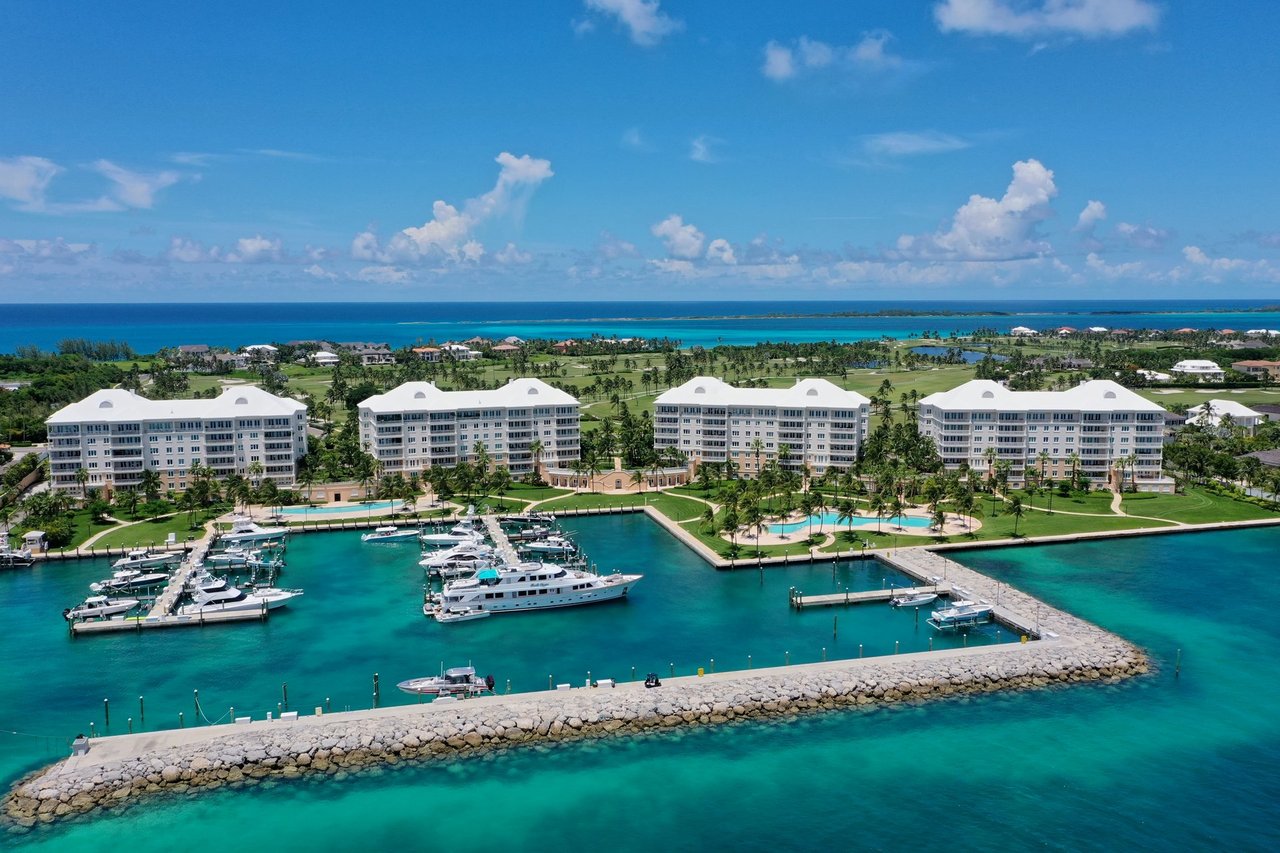
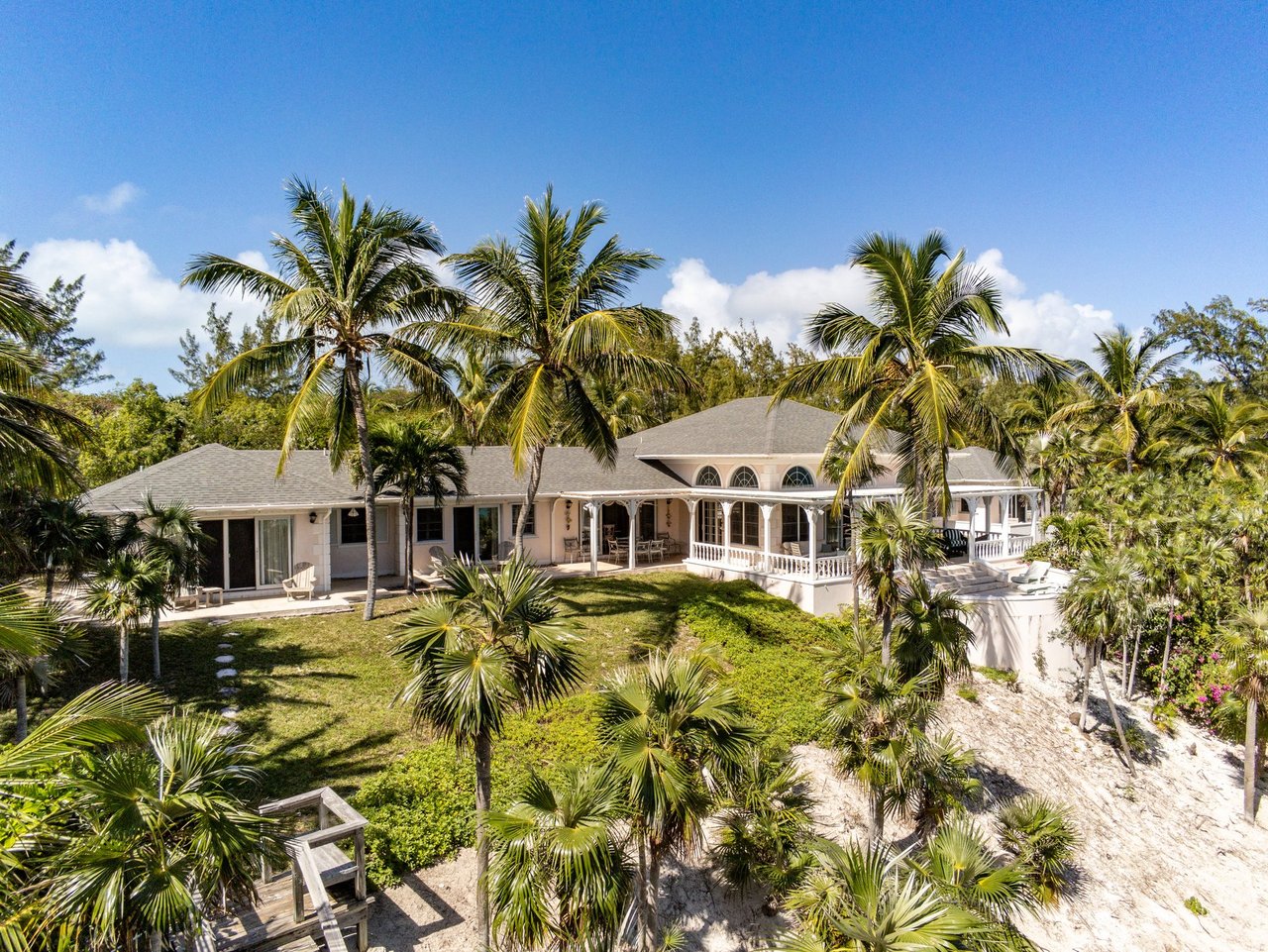
Freeport and Grand Bahama Island present a compelling mix of affordability, convenience, and island charm, making them an attractive option for buyers seeking real estate in the Bahamas. The market offers everything from beachfront condos and canalfront homes to gated estates and development-ready lots. With a strong infrastructure, tax advantages, and a growing interest in revitalization projects, Grand Bahama appeals to both full-time residents and seasonal buyers.
Freeport, the island’s main city, is known for its well-planned layout, modern amenities, and deep-water canals that allow for easy boating access. Neighborhoods such as Lucaya, Bahama Terrace, and Fortune Bay offer waterfront living with proximity to shopping, golf, and beaches. Whether you're looking for an investment property, second home, or permanent residence, Freeport and Grand Bahama Island provide a more accessible and practical path to Bahamian homeownership.
Why Choose Freeport & Grand Bahama Island
Freeport and Grand Bahama Island offer a unique balance of natural beauty and urban convenience. Residents enjoy beautiful white-sand beaches, world-class diving and snorkeling, nature preserves like the Lucayan National Park, and a slower pace of life—without sacrificing access to modern services, schools, and transportation. The island also benefits from Freeport’s designation as a free trade zone, which provides attractive incentives for international investors and businesses.
The island is just a short flight from Florida, making it one of the most accessible Bahamian destinations for U.S. buyers. In addition, continued government focus on development and infrastructure renewal makes Freeport a promising area for long-term investment. Whether you're drawn by the tropical lifestyle, favorable tax laws, or the potential for growth, Grand Bahama offers an affordable and strategic entry into Caribbean real estate.
FAQ's About Freeport & Grand Bahama Island
What is the climate like in Freeport & Grand Bahama Island?
Freeport and Grand Bahama Island enjoy a tropical climate with warm temperatures year-round, typically ranging from the high 70s to mid-80s °F (25–30°C). The dry season spans from November to April, offering sunny skies and cooler breezes, while the summer months are warmer and more humid with occasional rainfall—perfect for lush gardens and beach days.
What outdoor activities are available in Freeport & Grand Bahama Island?
The island is a haven for outdoor lovers. Popular activities include snorkeling and diving in coral reefs, kayaking through mangroves, golfing at championship courses, boating through canalfront neighborhoods, and exploring Lucayan National Park’s caves and nature trails. The beaches, such as Gold Rock and Taino Beach, offer peaceful escapes just minutes from town.
What makes Freeport & Grand Bahama Island appealing to families?
Families are drawn to Freeport’s blend of tranquility and infrastructure. The island offers international schools, healthcare facilities, family-friendly beaches, and community-oriented neighborhoods. Its affordable housing and low cost of living make it an appealing option for those looking to raise children in a safe, tropical environment.
How is the arts and culture scene in the area?
Freeport hosts a growing arts and cultural scene, with local galleries, music festivals, and events celebrating Bahamian heritage. The Rand Nature Centre and the Garden of the Groves feature rotating exhibitions and cultural programming, while the island’s culinary scene showcases both traditional island flavors and international cuisine.
Is Freeport good places for retirees?
Yes, Freeport is an attractive destination for retirees. It offers a peaceful, affordable lifestyle with quality healthcare, easy access to the U.S., and plenty of outdoor activities. Many retirees enjoy the slower pace, friendly expat community, and the ability to own property outright with no restrictions for foreign buyers.
Are there investment or residency options for international buyers?
Yes. Foreigners are welcome to purchase property in Freeport and throughout Grand Bahama Island. Investments over $750,000 may qualify buyers for permanent residency consideration, and the island’s free trade zone status makes it especially appealing for those looking to combine personal and business opportunities.