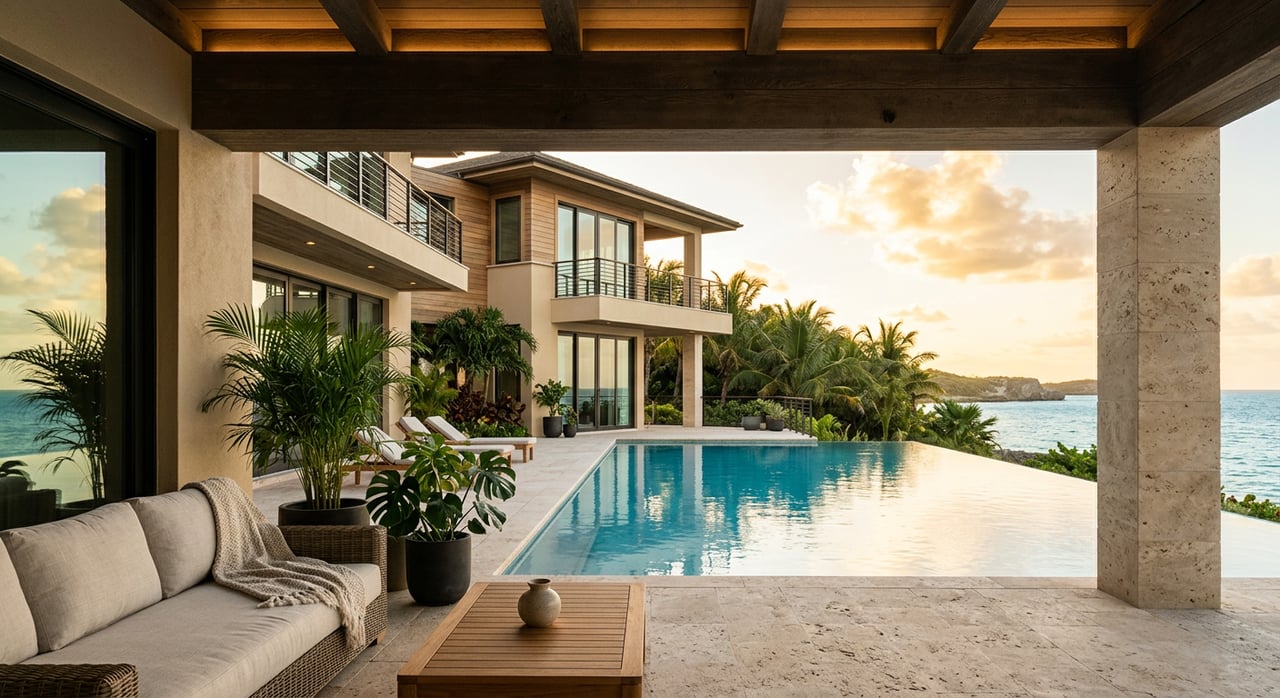
If you want a Caribbean address that balances island ease with real-world convenience, Nassau and Paradise Island should be on your shortlist. You get fast access from major U.S. cities, a deep bench of resort amenities, and a mix of private club communities and branded residences that hold global appeal. In this guide, you’ll see how these islands stack up on access, pricing, ownership mechanics, and investment considerations so you can move forward with confidence. Let’s dive in.
Why Nassau & Paradise Island stand out
Fast, easy access
Nassau is roughly a one-hour flight from South Florida, with direct service from major U.S. carriers and seasonal transatlantic links. That short hop is a real advantage if you split time across multiple homes or want frequent weekend use. You can review entry and flight guidance for visitors on the destination’s official site to plan your trip (non‑U.S. citizen travel guidance).
Resort depth and branded living
Paradise Island and Cable Beach anchor large-scale resort ecosystems that include marinas, golf, dining, retail, and casinos. Branded residences, such as the Rosewood Baha Mar offering, pair hotel-level services with turnkey ownership and rental program options (Rosewood Baha Mar Residences). Four Seasons-branded Ocean Club residences on Paradise Island have been profiled as an ultra-luxury, limited release, signaling continued confidence at the very top of the market (Four Seasons Ocean Club residences coverage).
Currency stability and banking
The Bahamian dollar is pegged at parity with the U.S. dollar, which simplifies budgeting and reduces currency friction for many international buyers. Local banks operate within an established regulatory framework, and you will work with counsel to handle exchange-control steps where needed (Central Bank of The Bahamas).
Ultra-prime private communities
If privacy and yacht access sit at the top of your list, Nassau’s private enclaves and club communities are a match. Lyford Cay, Albany, and Ocean Club Estates concentrate security, private amenities, and marina access. Scarcity in these neighborhoods supports ultra-prime pricing and long-term desirability.
Product mix and pricing
Nassau and Paradise Island cover the full luxury spectrum. You will find resort-connected condos with turnkey services, gated-club estates with private docks, and trophy beachfront or canal-front homes. Regional research shows The Bahamas’ prime villas command pricing well above mainstream island averages, supported by strong lifestyle fundamentals and limited supply (Savills Caribbean prime analysis).
At the same time, local MLS snapshots in mid-2025 placed Nassau’s overall median sale price in the mid-$400k to $600k range. That median reflects a high volume of condominium transactions across New Providence. The true luxury tier sits in a separate band, with prime waterfront estates and branded residences trading from the single-digit millions to well into eight figures.
For orientation, public coverage of the Four Seasons-branded Ocean Club residences on Paradise Island cited pre-construction pricing in the mid single-digit millions, which aligns with the broader premium for branded, amenitized product. Exact pricing should always be confirmed with developer sales teams (project coverage).
How it compares in the Caribbean
- Price and value: Since 2019, prime Caribbean pricing has moved materially higher, with Turks and Caicos and certain Bahamas waterfront sectors near the top on a per-square-foot basis. Ultra-exclusive micro-markets like St Barts form a separate, very high-cost tier. On average, the wider Caribbean still prices below leading U.S. coastal luxury markets, which many buyers view as compelling value (Savills regional report).
- Supply and brand depth: Nassau competes head-to-head with Turks and Caicos and Grand Cayman while offering more resort scale than smaller islands. That scale brings amenities, shopping, dining, and multiple branded options, which can help with both lifestyle and liquidity.
- Access advantage: Nassau’s flight map is broader and closer to the U.S. than many peers, which can translate into greater personal use, stronger rental demand, and easier management.
Ownership, taxes and closing costs
Foreign ownership and title
Non-Bahamians can buy freehold residential property in The Bahamas, particularly on New Providence and Paradise Island. Always confirm the title type during due diligence, and have local counsel review any development covenants or club requirements (taxes and costs overview).
Conveyance VAT and other closing costs
Non-Bahamian purchasers should plan for a 10 percent conveyance VAT on property transfers above statutory thresholds. In practice, this is a major line item in your closing budget and is sometimes negotiated between buyer and seller. Legal fees and title work typically add about 1.5 to 2.5 percent of price, and you will also account for agent commissions and VAT on professional fees (Bahamas taxes and costs).
Annual property tax and carrying costs
The Bahamas uses progressive real property tax schedules for owner-occupied and non-owner-occupied homes. Budget for property tax, homeowners insurance that covers hurricane risk, HOA or club dues where applicable, and routine maintenance. Your advisor can gather current schedules and quotes tailored to the property type you choose.
Exchange control and repatriation
To support eventual repatriation of funds, non-Bahamian buyers typically register their investment with The Central Bank during or shortly after closing. This step helps ensure smooth currency transfers at resale and should be coordinated by your attorney and bank (Central Bank exchange control).
Timeline and financing
A standard purchase that includes offer, due diligence, conveyance and VAT payment, and registration can take several months. Timing depends on title searches, exchange-control registration, and document prep. Local commercial banks and international private banks provide financing for qualifying buyers, though many luxury purchases close in cash.
Investment lens and risk planning
Liquidity and rental options
Branded residences and resort-managed condos often participate in hotel rental programs, which can streamline marketing and operations. Operators may share typical nightly rate ranges and occupancy, but your actual yield will depend on seasonality, management fees, VAT, insurance, and capital reserves for upgrades (Rosewood Baha Mar Residences).
Climate, storms and insurance
The Bahamas sits within the Atlantic hurricane belt. After major events like Hurricane Dorian, underwriters and reinsurers tightened terms and raised premiums across parts of the region. Plan for higher insurance costs on coastal properties and consider resilience upgrades such as impact-rated glazing, elevation, drainage, and backup power (catastrophe risk commentary).
Regulatory stability and taxes
The Bahamas operates under English common law and has a stable government. There are no income, capital gains, or inheritance taxes as national policy, but transaction VAT, annual property taxes, insurance, and HOA or club dues are meaningful and should be modeled into your return profile (Bahamas taxes and costs overview).
Choosing between Nassau and Paradise Island
- Paradise Island: Best if you want a resort-connected lifestyle with golf, marinas, fine dining, and concierge services close at hand. Ocean Club Estates and upcoming Four Seasons-branded product appeal to buyers who prioritize beachfront access, private-club amenities, and lock-and-leave convenience.
- Nassau (New Providence): Ideal if you prefer a broader mix of neighborhoods, from resort-centric Cable Beach to historic estates and private clubs like Lyford Cay and Albany. You will find both waterfront trophy properties and mid-rise condos, with easy access to schools, business services, and the international airport.
Both markets serve yacht owners and boaters, both provide ample dining and entertainment, and both offer options that range from investor-friendly condos to legacy estates.
Buyer checklist: from shortlist to closing
- Define your lifestyle goals and holding period, then narrow to two or three property types that fit (branded condo, private-club estate, marina-front home).
- Request an all-in budget model that includes conveyance VAT, legal/title, inspection, insurance, HOA or club dues, and an allowance for storm hardening and upgrades.
- Ask your attorney to confirm title, covenants, and club rules, and to prepare exchange-control registration with The Central Bank if you are a non-Bahamian buyer.
- If rental income matters, have your advisor source recent comp data, rental program terms, and a net yield model after management fees and VAT.
- Obtain preliminary insurance quotes for the specific property and review coverage limits, deductibles, and exclusions.
- For financing, speak early with local banks or your private bank about terms for cross-border lending.
Ready to explore the market with a team that pairs boutique service with global reach? Connect with The Agency Bahamas to access live comps, off-market opportunities, and a disciplined plan from first tour to closing.
FAQs
What makes Nassau and Paradise Island competitive for luxury buyers?
- Proximity to the U.S., deep resort and branded residence options, private-club communities, and currency parity with the U.S. dollar create a rare blend of convenience and exclusivity.
How long is the flight from South Florida to Nassau?
- The flight time is roughly one hour, with multiple direct services from major U.S. carriers and seasonal transatlantic links for broader access (travel guidance).
What are typical closing costs for non-Bahamians in The Bahamas?
- Plan for a 10 percent conveyance VAT on the transfer, plus legal and title fees of about 1.5 to 2.5 percent, agent commissions, and VAT on professional services (tax overview).
Can foreigners buy freehold property in The Bahamas?
- Yes, many prime residential properties on New Providence and Paradise Island are freehold; confirm the title type with local counsel during due diligence (ownership and costs).
How do prices compare between Nassau and Paradise Island?
- Nassau’s overall median skews lower due to high condo volume, while true luxury on both islands often trades in the multi-million-dollar range, with branded and waterfront properties at the top.
How do rental programs work for resort-branded condos?
- Many branded residences offer managed rental programs with professional marketing and operations; yields depend on seasonality, program terms, fees, taxes, and insurance (Rosewood Baha Mar Residences).
How should I plan for hurricane and insurance risk?
- Budget for higher coastal insurance premiums and invest in resilience improvements like impact glass, elevation, drainage, and backup power; review carrier terms carefully (risk insights).