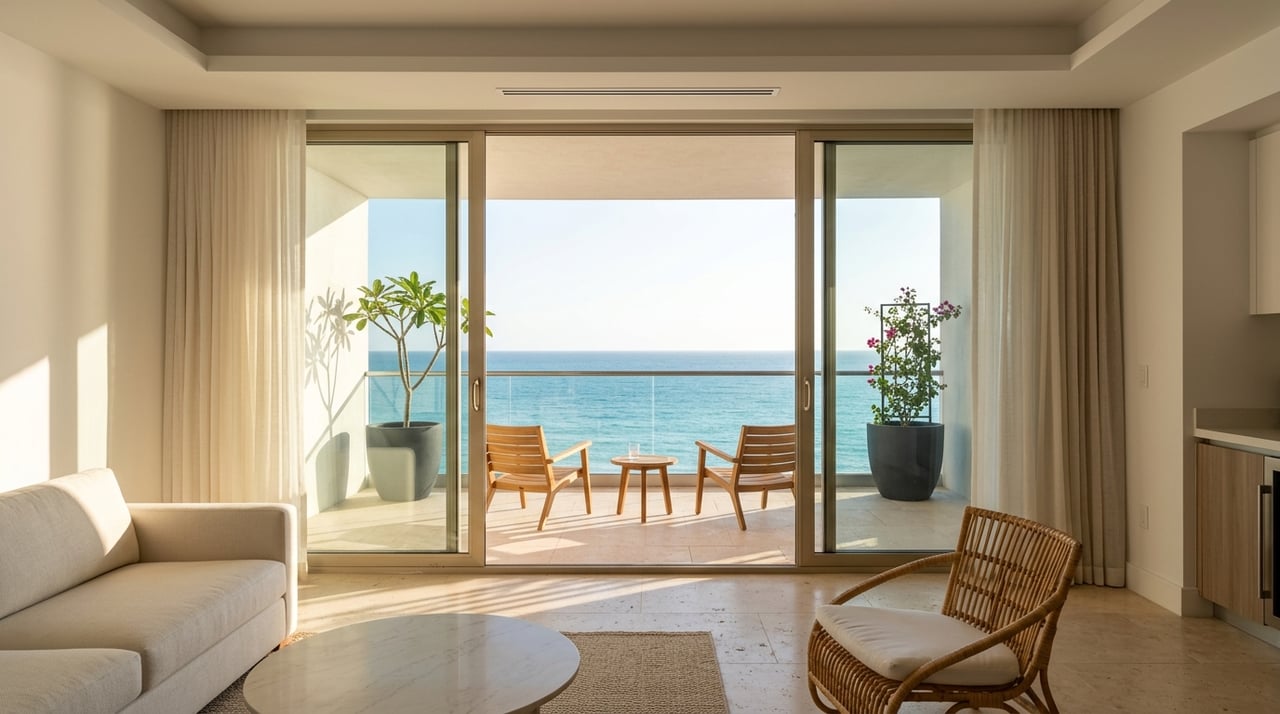
If you are considering owning at The Reef Atlantis, the biggest question is usually not just what does it cost, but how does it actually work? That is a smart question, because The Reef is not best understood as a typical condominium on Paradise Island. It is a resort residence with a condo-hotel structure, and that distinction shapes how you use the property, how rentals are handled, and what kind of ownership experience you can expect. Let’s break it down.
What The Reef Atlantis really is
The Reef Atlantis combines residential-style accommodations with a full resort setting. Atlantis describes it as offering studios, suites, and penthouses with home-style features, while purchaser materials describe it as a condominium-hotel development on Paradise Island.
In practical terms, that means you are buying a residence within a resort-driven environment. You get the feel of a lock-and-leave second home, but the operating structure is much closer to a hotel-managed product than a traditional stand-alone condo.
What you are actually buying
The floor plans at The Reef are designed for easy ownership and flexible use. Current materials show junior suites of about 520 square feet, one-bedroom two-bath layouts of roughly 974 to 1,195 square feet, and some plans that can be combined into two-bedroom configurations.
These residences are marketed with features that support longer stays and second-home use. That includes kitchens, balconies, and a more residential layout than a standard hotel room.
Atlantis also positions The Reef as a quieter part of the resort experience. Current materials reference private beach access, a Reef-access pool, grocery delivery service, full in-suite kitchens, and a playground, along with broader access to the larger Atlantis amenity base.
Why The Reef is different from a normal condo
This is where many buyers need the clearest guidance. If you are comparing The Reef to a conventional condo in New Providence, the ownership model is different in ways that matter.
At a traditional condo, you may have more control over how often you stay, how you rent the unit, and how the property is managed. At The Reef, ownership is more structured and more passive.
The value proposition is not maximum flexibility. The value proposition is resort access, turnkey operations, and a branded ownership experience inside one of the best-known destinations in The Bahamas.
How the residence program works
According to the purchaser brochure, every unit is governed by a Unit Management Agreement, even if the owner does not participate in the rental pool. Under that arrangement, Atlantis handles hotel-style operational functions such as check-in, check-out, key issuance, and collection of resort-related charges.
That means your residence is part of a managed hospitality framework from day one. You are not simply owning a private condo with no connection to resort operations.
For many buyers, this is part of the appeal. If you want a hands-off structure with on-site systems already in place, that hotel-style management layer can make ownership feel far more streamlined.
The rental program is voluntary
The purchaser brochure describes an Atlantis Rental Program that is voluntary and managed by Atlantis using resort staff and dedicated Reef personnel. If you choose to participate, Atlantis handles the rental operations rather than you running the unit as a self-managed short-term rental.
This is an important distinction for investor-minded buyers. The Reef is not built around owner-controlled nightly pricing, independent booking platforms, or a do-it-yourself rental model.
Personal use is limited by the program structure
The brochure says the unit must remain in hotel rental inventory for a minimum of nine months each year to preserve the condo-hotel treatment it describes. Owners can generally secure up to three months of personal use per year if they provide at least 11 months' notice.
If shorter notice is given, Atlantis says it will try to accommodate the request if the unit is available. In other words, this is not a year-round personal residence model with unlimited owner occupancy.
That structure works well for buyers who want planned use and passive management. It is less ideal for buyers who want spontaneous, open-ended access throughout the year.
Atlantis manages pricing and operations
When a unit is in the rental pool, Atlantis sets the daily room rate according to the purchaser brochure. The same materials say Atlantis uses a rotational booking program and provides monthly statements showing unit activity and resort-account activity.
This creates a more passive ownership experience. You are relying on the resort's operating system rather than building your own rental strategy.
For some buyers, that is a major advantage. For others, especially those who want direct control over calendar strategy and pricing, it may feel too restrictive.
How the rental economics generally work
The purchaser brochure describes a hotel-style income structure. Rental proceeds are first reduced by taxes, levies, and gratuities, then by a management fee, and then the remaining balance is split between Atlantis and the owner.
The brochure also says an additional reserve-fund contribution is withheld for furniture and contents replacement. That is another reminder that this product operates more like a professionally managed resort residence than a typical condo investment.
The same brochure states that the initial rental agreement term is three years and then auto-renews unless it is canceled with one year's notice. Because program terms can change and resale situations may differ, buyers should confirm current details in the actual signed agreements.
What fees and access can look like
Atlantis' current FAQ places the Reef daily resort fee at $75 plus VAT when the unit is occupied. The FAQ says this fee covers water-park access, marine-habitat access, shuttle service, fitness access, Wi-Fi, and Cascades Pool access.
The purchaser materials also say units participating in the rental program receive a 50% reduction in the occupancy-related resort access fee. Owner materials further reference access to a private fitness center, business center, The Cove Pool, and certain discounts and preferred seating, though those programs are subject to change.
This fee structure is part of the tradeoff. You are buying into a lifestyle package with broad resort access, not just a set of walls and square footage.
What ownership means for non-Bahamian buyers
For international buyers, the International Persons Landholding Act is a key part of the ownership picture in The Bahamas. The act states that a non-Bahamian who buys a condominium or owner-occupied property generally registers the acquisition with the Investments Board rather than needing a permit in the ordinary condo case.
The act also states that a non-Bahamian homeowner may apply for an annual homeowner resident card, subject to immigration review. Under the statute, that card can extend entry and stay rights to the owner, spouse, and minor children for the duration of the card if the requirements are met.
The act further states that non-Bahamians pay the same stamp duty as Bahamians on qualifying land transactions. For Reef buyers, the practical takeaway is that international ownership is common, but the way you use the unit still has to align with the governing condo-hotel documents and any rental agreement you sign.
Who The Reef tends to suit best
The Reef is often a strong fit if you want a second home that feels easy to own. It is especially appealing if your priority is a turnkey property with kitchens, beach access, hotel services, and seamless access to a large resort amenity base.
It can also suit buyers who like the idea of passive, hotel-managed rental participation. If you would rather avoid the day-to-day complexity of guest communication, pricing, staffing, and turnover logistics, this model may feel refreshingly simple.
Families may also appreciate the residential-style setup. Atlantis currently highlights a quieter beach setting, full in-suite kitchens, private pools, a playground, and access to Aquaventure and marine attractions.
When a traditional condo may be a better fit
The Reef may be less compelling if your top priorities are maximum autonomy and unrestricted use. Buyers who want year-round occupancy, full control over rental strategy, or a more purely residential building often find that a standard condo is a better match.
That does not make The Reef better or worse. It simply means the product is designed for a specific kind of buyer.
The right question is not whether The Reef is a good investment in the abstract. The better question is whether its structure matches the way you want to live, travel, and hold property in The Bahamas.
Why purchase documents matter so much
One of the most important details in the current sales materials is that only the purchase-and-sale agreement and related legal documents are binding. Marketing materials are helpful for understanding the concept, but they do not control your final rights or obligations.
That is especially important in a condo-hotel structure. Personal use, rental participation, fees, operating rules, and owner benefits all need to be reviewed through the actual contract package.
For a buyer considering The Reef, due diligence is not just about the unit itself. It is also about understanding the management framework, use limitations, and the economics of the residence program before you commit.
The bottom line on owning at The Reef Atlantis
The Reef Atlantis is best understood as a lifestyle-driven resort residence with a hotel-managed operating model. You are buying a lock-and-leave home base on Paradise Island, but you are also stepping into a structured ownership program that balances personal use with resort operations.
For the right buyer, that is the whole point. If you value convenience, resort access, and a more passive ownership experience, The Reef can be a compelling fit.
If you are weighing Reef ownership against other Paradise Island and New Providence options, The Agency Real Estate Bahamas can help you compare the tradeoffs clearly and navigate the process with confidence.
FAQs
How does ownership at The Reef Atlantis differ from a regular condo on Paradise Island?
- The Reef operates as a condo-hotel style residence, so ownership includes a hotel-management framework and less day-to-day autonomy than a typical stand-alone condo.
How much personal use can an owner have at The Reef Atlantis?
- The purchaser brochure says owners can generally secure up to three months of personal use per year if they provide at least 11 months' notice.
Does a buyer at The Reef Atlantis have to join the rental program?
- The Atlantis Rental Program is described as voluntary, but every unit is still governed by a Unit Management Agreement according to the purchaser brochure.
Who sets rental rates for units at The Reef Atlantis?
- The purchaser brochure says Atlantis sets the daily room rate for units that are in the rental pool.
What should international buyers know about owning at The Reef Atlantis in The Bahamas?
- Under the International Persons Landholding Act, a non-Bahamian buying a condominium generally registers the acquisition with the Investments Board rather than needing a permit in the ordinary condo case, subject to the law's requirements.
Is The Reef Atlantis a good fit for second-home buyers in New Providence?
- It can be a strong fit for buyers who want a lock-and-leave resort residence with kitchens, beach access, hotel services, and passive management rather than maximum control.